

Wes Anderson is a polarizing figure among cinephiles. His movies are extremely particular; you either love them or hate them; and as a result you either love him or hate him.
Among actors, Wes Anderson is perhaps the least polarizing figure alive. Every A-lister on the planet seems to love the guy. Have you seen his cast lists?
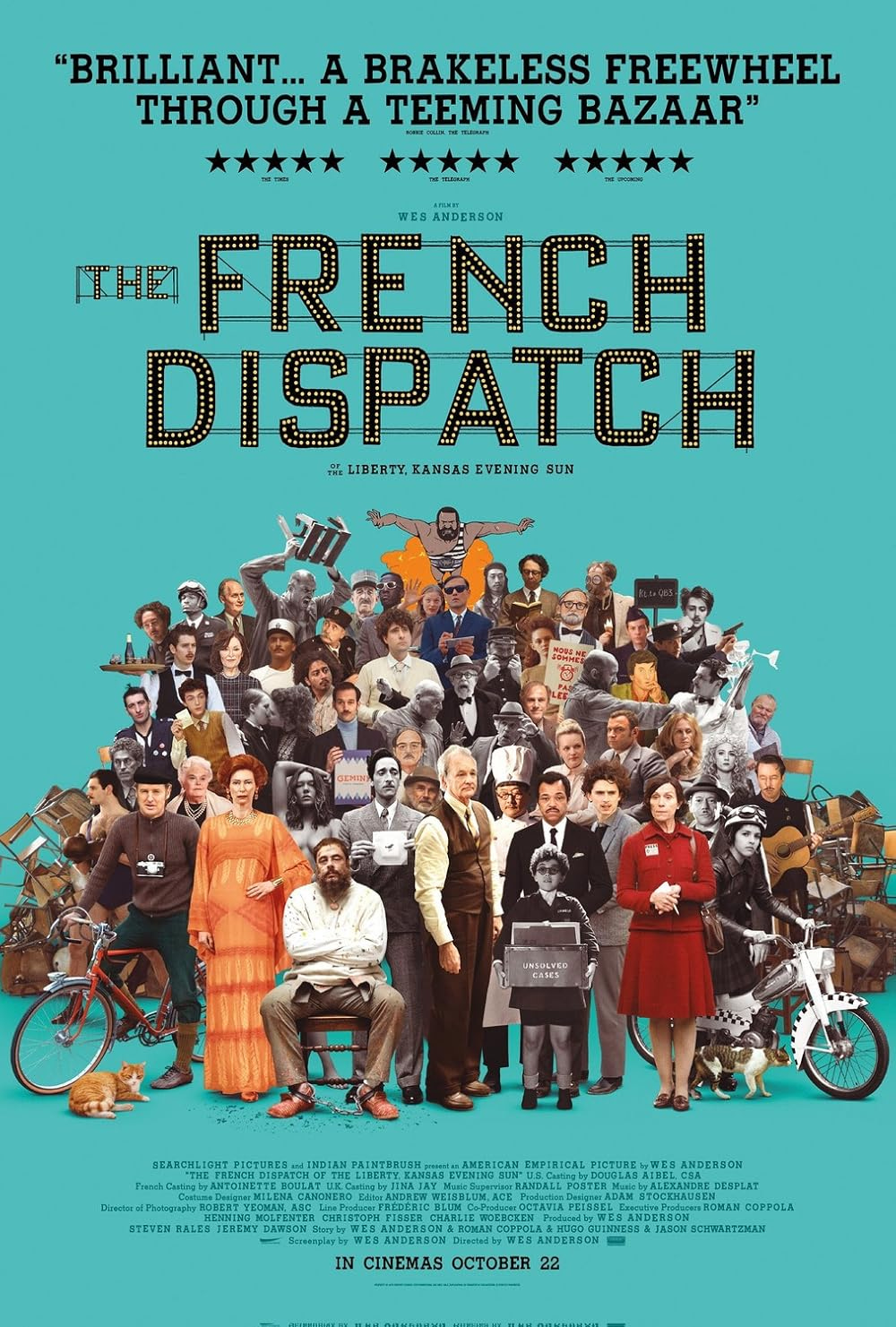
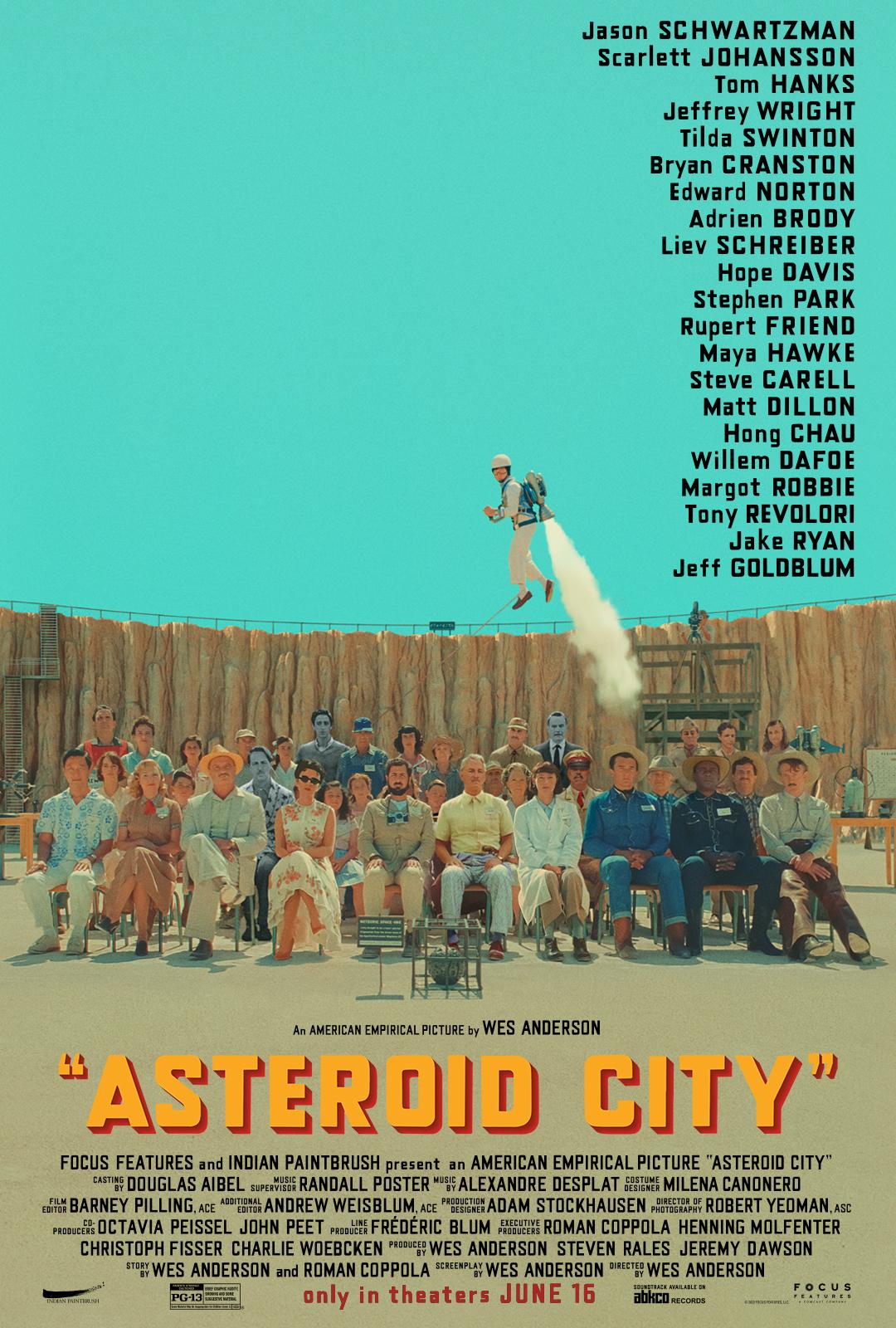
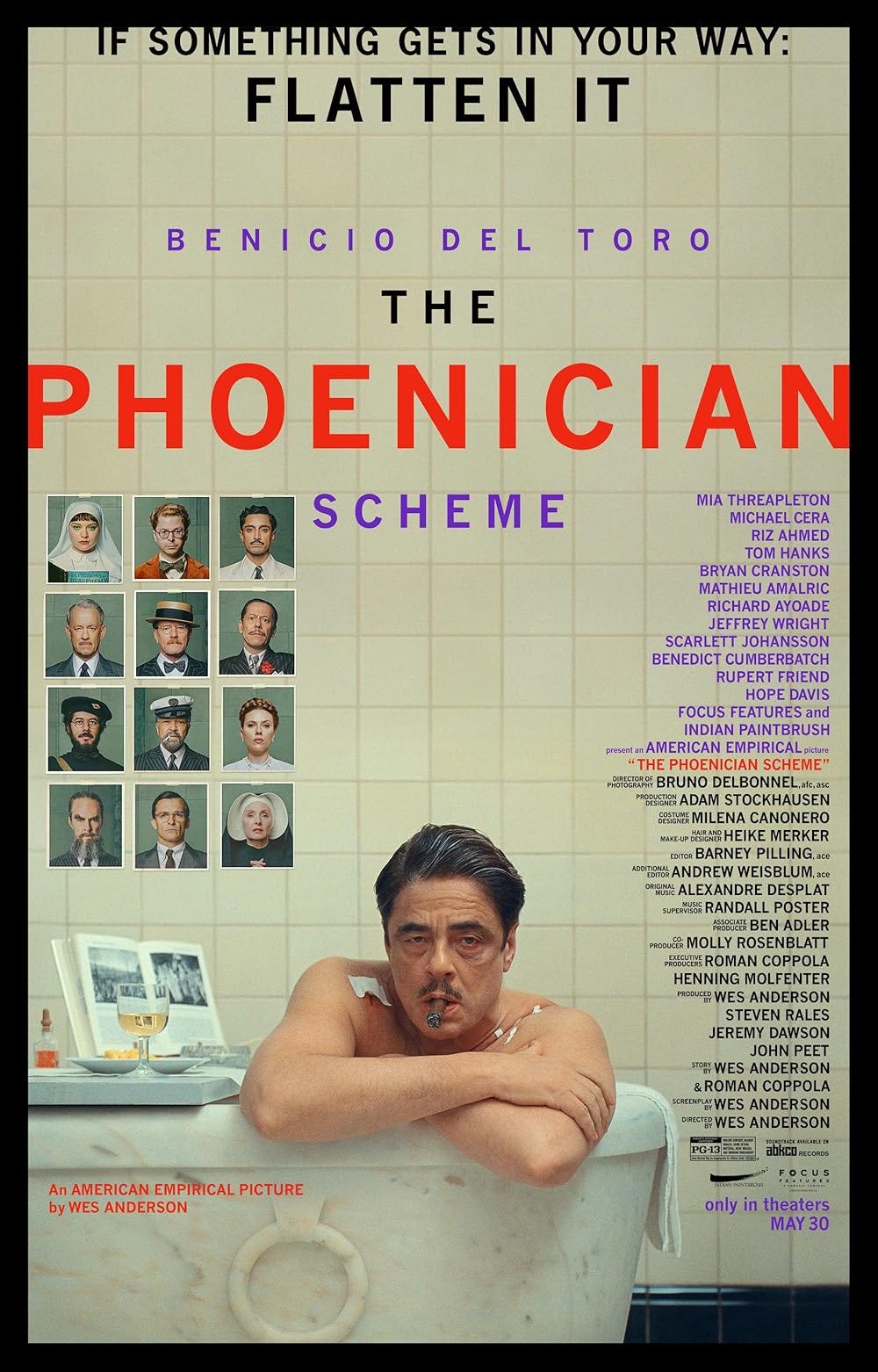
He gets movie lead actors for parts that only have a single line. The cast list for his three most recent movies have a combined 18 Oscar wins. Scarlett Johansson, the highest paid actress in Hollywood, star of billion dollar tentpoles like Marvel and Jurassic Park, has been in the last two Anderson movies. In fact, if you look through the cast lists for all of his movies, his actors seem to just stick around. Bill Murray has been in 10 Wes Anderson movies. Owen Wilson and Jason Schwartzman have both been in 7. Willem Dafoe has been in 6. Adrien Brody, Ed Norton, and Tilda Swinton in 5. These guys love Wes Anderson.
Wes Anderson doesn’t pay his actors.
No, really. His movies are made on a shoe string budget. The Phoenician Scheme cost $30m total. As a point of comparison, Johansson made $20m from the most recent Jurassic Park movie. Wes can’t afford to pay his actors at the rates they command on the market. So he doesn’t pay them at all. Apparently the standard is that Wes pays for room and board — he rents a hotel and a private chef for the whole crew and puts them up for the entire run of filming. And that’s it.
How does Wes Anderson get amazing people to work for him for free?
If you’re building a startup, this question should keep you up at night. The fundamental paradox of building a startup is that you need an absolutely cracked team behind you, soldiers in the trenches willing to stick it out to the bitter end. But also, in the earliest days, you can’t afford to pay them market rates. Sure, you can offer equity, and you can say that the equity is worth something on paper. But FAANG offers liquidity AND capital. Unless you’re one of those anointed few who raise billion dollar pre-seed rounds, you are not going to be able to go round for round on total comp.
I’m by no means an expert in hiring, but I’m very proud of the team I put together at soot. I managed to grab folks who could have easily made tons more money doing something else somewhere else. We were extremely talent dense, and as a result punched way above our weight class. The way I managed to hire those people is by understanding what they wanted really deeply, and then finding a way to give it to them.
This may sound really obvious at first glance. Like, duh? Give people what they want! Most of the time, what they want is money. And now you’re back to the first thing — you can’t really compete on total comp. You have to find ways to replace that comp with other things. Things that they can’t get from big tech.
For any candidate that you want to hire, you should be asking “how much money is X worth to you?” and treating that as part of the total compensation. You need to think hard about the constellation of things that make your company, specifically, unique in your pitch.
Some people really want to work in startups. They are tired of big tech politics and want to do something risky and new.
Some people really want to work in your specific industry. Maybe they have a passion that isn’t reflected in their resume, and can use your offer to pivot into the space they always dreamed of working in.
Some people may want to work with you specifically. Or your team. The individual people that you bring in are all selling points.
Some people want flexibility and customization. Maybe they want to work remote. Maybe they want to be able to just take the entire month of August off. Maybe they want to work night owl hours.
Some people may want to move to the city you’re headquartered in. They’re looking for an excuse to move out of SF/NY/Seattle/Chicago and to SF/NY/Seattle/Chicago.
Some people just really love rust. They just really want to work in a rust codebase all day, and if you’re using rust, they’ll want to come work for you.
This is the lesson from Wes Anderson. Wes doesn’t offer money. He offers intangibles. You get to work with a stellar cast, many of whom may be close friends because of all the other times you worked together with Wes. You get to act — no crazy CGI half baked spectacles, you get to get on stage and act your heart out in a way that is totally alien to most of Hollywood. You get to make something alongside Wes himself, someone who is clearly extremely knowledgeable and who you could learn a lot from. Sure, you won’t get paid much. But for some people, the right people, that combination of things is worth several million dollars.
Startups are no different. I think for basically any startup, if you start to think laterally about what exactly you have on offer, you’ll find that there’s a fair bit. And, equally, you’ll find that there are people out there who are very eager to take a pay cut in exchange for some combination of things. One guy I hired at SOOT took a 50% pay cut to work with us. Why? Because we’d known each other for a long time and he really wanted to work with me, and because he was really sick of getting re-orged at his previous job and having his projects cancelled, and because he had always wanted to work with creatives, and because he wanted a justification to move to NYC. All in, that was worth making $225k less per year for him.
But notice how specific this is. If you want to hire someone really good, you have to really get to know what they need and where they are in life so you can tailor the pitch. And sometimes you have to be patient. It took me two years to hire the guy I mentioned above! And you also just have to make peace with the fact that you won’t be able to get everyone, because for some folks there’s simply nothing you have on offer that they want. If I could hire Ilya Sutskever I would. Of course, if he offered me a job I might take that for the low low price of free. Go figure.
As a final note, not everyone can be Wes Anderson, but I do think it’s important for technical founders to think about their brand as an asset (unsurprisingly, the sales oriented founders don’t need this advice). There are so many cracked technical founders out there that no one knows about, and if they started writing or publishing their work a bit more frequently they would be able to build up a decent following so that people would come to them, eager to work at a discount. At the end of the day, if you are building a company your job is to sell things. And hiring is, in a very deep sense, just another sale.
In February of 2021 I made the crazy and totally unadvisable decision to leave the comfortable world of Google and start a company. Best decision I ever made. Along the way I started I started writing a journal of sorts that I’ve taken to calling the Founder’s Guide -- basically a place I can ramble about startups and how they work and how to think about them. You can find more in the series here.
Okay fine I’ll start writing.
I love the idea that hiring is a different kind of selling. Wes Anderson is such a good example of this. One of my first jobs paid little but had the opportunity to travel a lot, be highly autonomous, and work with interesting people on a cause we found meaningful, and it was totally worth it!